
"coffee shading methods"
4000 article(s) found

A brief introduction to the treatment method of grinding degree and baking degree of citrus-floral Panamanian boutique coffee beans
The BOQUETE region of Panama, located in the province of CHIRIQUI on the border with Costa Rica, is home to Panama's famous GEISHA coffee and is famous for producing high-quality Arabica coffee. Tedman & TEDMAN&MACINTYRE ESTATE Manor in the mountains 4000 feet above sea level in Poggett, originated in Panama

A brief introduction to the treatment method of grinding degree and baking degree of lively acid Panamanian boutique coffee beans
The Emerald Manor of Panama (La Esmeralda) is located in the corner of the Baru volcano, so most of the coffee beans produced in this area are named after the Baru Mountains. The area around Boquete is scenic, with many leisure hotels, villa, resort and even along the important river Rio Caldera. The Emerald Manor (La Esmeralda) is on the right side of the river, Jaramillo.

The establishment of a coffee garden
1. The environmental conditions of land selection, planning and reclamation are closely related to the growth and development of coffee, which should be determined according to the growth habits and environmental requirements of coffee. Try to avoid choosing lowlands where cold air is easy to accumulate and condense frost; coffee roots are good, so choose well-drained and loose soil; coffee needs a calm wind environment, so in areas where there is no primary forest, consideration should be given to planning windbreaks.
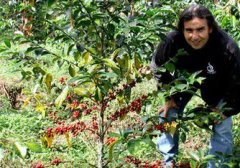
Comparison of three major coffee farms in Colombia: coffee varieties. Shading trees and fermentation treatment
Professional barista communication please follow the coffee workshop (Wechat official account cafe_style) this time is about three Colombian coffee farms, the first La Palma y El Tcan is attracted by their fermentation methods, the other Finca Santuario is because the author recently bought their love elixir, so want to know more, the third is Finca Santuario
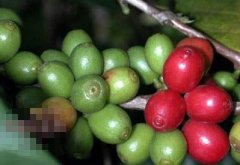
Planting and cultivation of Coffee
1. Seed propagation (1) seed collection, seed washing and seed storage during the full ripening period of coffee (the full ripening period of medium-grain coffee in Hainan Island is from February to March, and that of small seed is from September to November). The fully ripe fruits are picked from strong and high-yielding mother trees to make seeds. After the fruit is harvested, immediately peel and wash the seeds, the method is to put the fruit on the hard and rough ground, use a brick to grind the peel, or you can use a peeling machine

Why do coffee trees shade? Relationship between shading planting and ecological protection of coffee beans in El Salvador
Geographically, El Salvador has active and continuously erupting volcanoes, which bring rich minerals; in addition, the Salvadoran coffee garden has become a model for shade planting (Shade grown coffee), which is good for the environment, good for birds and surrounding life, and conducive to the promotion of organic planting patterns. Coffee farmers in high altitude areas have good geographical conditions similar to those in high altitude areas.

Introduction to the method of describing the Flavor of Peruvian Coffee
Peru is located in western South America, with a coastline of 2254 kilometers. The Andes runs from north to south, and the mountains account for 1% of the country's area. it belongs to the tropical desert region with a dry and mild climate. Peruvian coffee is mostly grown at the foot of the Andes, where it is rich in traditional Central American top coffee beans. Peruvian coffee beans grown in the central part of the country and Cusco in the south

The six modes of growing coffee in Ethiopia introduce in detail the flavor of Arsi sun-dried coffee beans.
At present, about 25% of the Ethiopian population directly or indirectly depends on coffee production for a living. The majority of farmers use traditional planting methods. Artificial care of coffee trees, the use of organic fertilizers, do not use harmful pesticides and herbicides, etc. Therefore, most of the coffee produced by Ethiopia is organic coffee. The planting pattern in Ethiopia is complex, ranging from wild coffee in the original forest to a strong contrast to it.

Burundian coffee beans with different shades of light introduce the treatment methods of fine coffee
There are different flavors of coffee, so you can't drink three or four cups in a row like tea or cola, but the formal coffee cup is the best. The average amount of coffee to drink is 80-100cc. Sometimes if you want to drink three or four cups in a row, you have to dilute the concentration of coffee, or add a lot of milk, but you still have to take into account the degree of physical needs to add or decrease coffee.

What are the flavor characteristics of the Niagara SHB whole berry treatment method in the New Nordega region? Taste?
Professional coffee knowledge exchange more coffee bean information please follow the coffee workshop (Wechat official account cafe_style) Nicaragua SHB whole berry treatment method what are the flavor characteristics of the new Kaddura varieties in the new Nordega region? Taste? Flavor features: the whole process has rich fruit aromas and full acidity, fully revealing the fruit essence of ripe coffee berries. The fragrance of pomelo flowers and the milk of tail rhyme

Peruvian coffee bean flavor taste manor production area introduction of coffee bean origin and varieties
Peruvian coffee beans are best known for their coffee beans from Chimacha Mayou in the middle and Cusco in the south. In addition, some areas in northern Peru also produce characteristic organic coffee. Organic coffee is made of beans grown in the shade of trees. Although the yield of coffee beans is not high because of the method of planting in the shade, its quality can reach the level of gourmet coffee. This is due to

Soft sour Peruvian coffee beans grinding scale treatment manor production area introduction
Peruvian coffee beans are best known for their coffee beans from Chimacha Mayou in the middle and Cusco in the south. In addition, some areas in northern Peru also produce characteristic organic coffee. Organic coffee is made of beans grown in the shade of trees. Although the yield of coffee beans is not high because of the method of planting in the shade, its quality can reach the level of gourmet coffee. This is due to

Introduction to Grinding scale of quality characteristics of Peruvian Coffee Manor Flavor description
Peruvian coffee beans introduce Peruvian coffee beans, which are most famous for the coffee beans produced in Mayou in the middle and Cusco in the south. In addition, some areas in northern Peru also produce characteristic organic coffee. Organic coffee is made of beans grown in the shade of trees. Although the yield of coffee beans is not high because of the method of planting in the shade, its quality can reach that of gourmet coffee.

A brief introduction to the description of the flavor, taste and aroma of the bright and balanced Panamanian coffee Erida Manor.
Panamanian Manor [Origin]: Panama [producing area]: Mount Baru, the highest peak in western Panama [Manor]: Mount Baru / FincaLaValentina [Grade]: SHB [growth altitude]: 1500-1675 m [treatment]: fine washing treatment [Special Certification]: green Rainforest Certification [Baking degree]: shallow Baking city [Flavor]

Introduction to the production area of taste grinding scale of Peruvian coffee bean flavor description method
Peruvian coffee is grown in a planned way, which has greatly increased coffee production. Its rich acidity and mellow smoothness are its most prominent features. Peruvian coffee has a soft sour taste, medium texture, good taste and aroma, and is an indispensable ingredient in the production of comprehensive coffee. Peruvian coffee of outstanding quality, with strong aroma, smooth, layered and rich sweet taste.

What kind of fine coffee is the coffee tree planted in shade?
First of all, there are some reasons why shade planting has become an advantage. When coffee is planted in the shade of other vegetation, biodiversity provides favorable conditions for its growth. Native plants that provide shade for coffee range from forest plants such as cedar to fruit trees such as banana, orange, lemon, avocado and litchi.
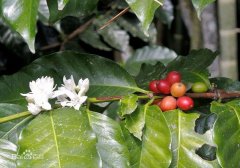
Income of coffee farmers grown in shade coffee tree Arabica coffee beans
First of all, there are some reasons why shade planting has become an advantage. When coffee is planted in the shade of other vegetation, biodiversity provides favorable conditions for its growth. Native plants that provide shade for coffee range from forest plants such as cedar to fruit trees such as banana, orange, lemon, avocado and litchi.

Flavor description of Peruvian coffee beans introduction to the characteristics of varieties produced by taste treatment
Peruvian coffee beans are best known for their coffee beans from Chimacha Mayou in the middle and Cusco in the south. In addition, some areas in northern Peru also produce characteristic organic coffee. Organic coffee is made of beans grown in the shade of trees. Although the yield of coffee beans is not high because of the method of planting in the shade, its quality can reach the level of gourmet coffee. This is due to
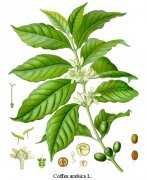
Coffee cultivation techniques detailed explanation of planting knowledge of Coffee trees
Coffee, cocoa and tea are called the three major beverages in the world, and their output, consumption and output value all rank first. In addition to being used as a beverage, coffee can also extract caffeine and coffee oil; in medicine, it can be used as an anesthetic, stimulant and diuretic cardiotonic agent. Coffee pulp can be used to make wine, vinegar, pectin and molasses; dried pulp can be used as animal feed; dried fruit shell can be used as fertilizer and burning

Do you know what organic coffee means? what is the difference between organic coffee and plain coffee?
Professional Coffee knowledge Exchange more information about coffee beans Please follow the coffee workshop (Wechat official account cafe_style) organic coffee has more than half the caffeine reduction compared with the usual mode of cultivation. After professional and experienced roasting, there will be less caffeine left, and other active ingredients in coffee will be efficiently preserved. For